About Double valve for thoracic drainage/ Heimlich type
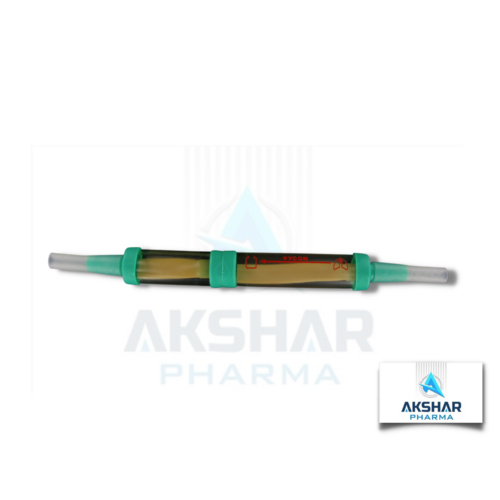
Double-chamber valve for thoracic drainage.
Valve body in flexible and transparent polyurethane with flat natural rubber sleeve acting as a non-return valve.
Note: This flat rubber sleeve never comes in direct or indirect contact with the patient or the user. Any allergic risk due to the presence of rubber can be excluded.
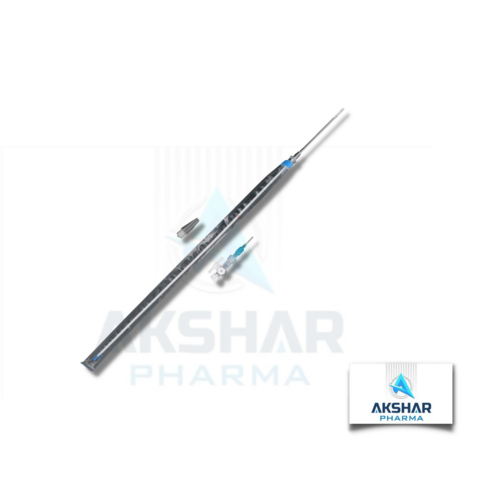
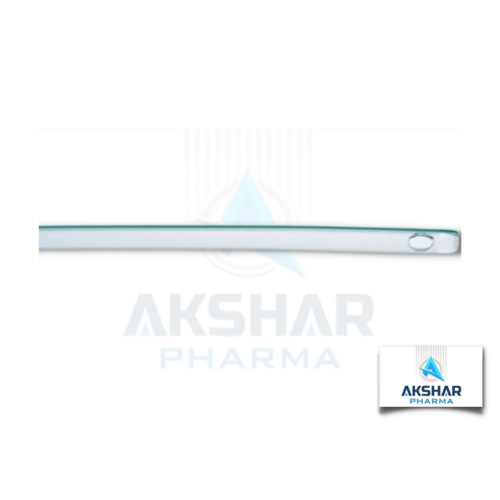
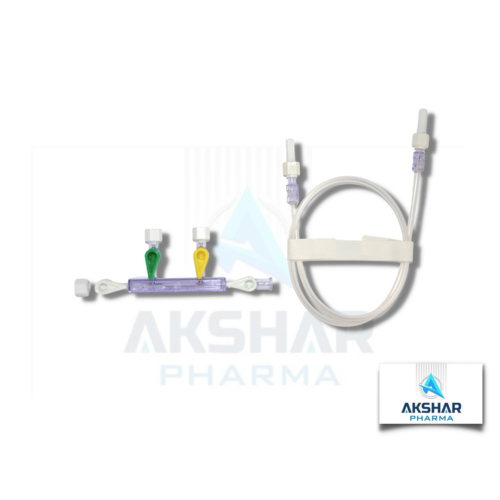
This device is connected directly onto the patients pleural or thoracic drain (adult, paediatric), or indirectly, using connector code 800.01 and an extension tube for neonates and infants.
This product allows thoracic drainage to continue without risk to the patient even when transported, as the non-return valve means that the drain does not have to be clamped.
Code 668.00: this two chamber device differs from the single valve code 669.10 in that it is possible to apply suction by manual compression of the compartment marked with an arrow (vacuum approximately 150 mbar).
Reliable Backflow Protection for Thoracic DrainageEngineered with a double, unidirectional Heimlich-type elastomeric membrane, this valve ensures that air or fluid cannot re-enter the thoracic cavity, preventing dangerous complications such as pneumothorax or fluid reaccumulation. The universal connector design fits most catheter sizes, supporting a broad range of clinical applications with minimal setup complexity.
Safe, Sterile, and Ready for Immediate UseEach valve is individually packed in a peelable, sterile pouch and undergoes EO gas sterilization, reducing infection risks during use. Its latex-free, medical-grade construction minimizes allergic reactions and complies with ISO 13485 standards, ensuring safety and reliability for both adult and pediatric patients.
FAQ's of Double valve for thoracic drainage/ Heimlich type:
Q: How does the double valve prevent backflow during thoracic drainage?
A: The Heimlich-type double valve features an elastomeric membrane that allows air or fluid to exit from the pleural cavity but blocks reverse flow, effectively preventing backflow and reducing the risk of complications like re-accumulation or pneumothorax.
Q: What types of catheters can be connected to this device?
A: Thanks to its universal connector, the valve is compatible with various catheter sizes commonly used in thoracic drainage, making it adaptable for a wide range of clinical requirements.
Q: When should the double valve be used?
A: This valve is indicated during thoracic drainage procedures-including emergencies-to prevent backflow of air or fluid. It is suitable for both adult and pediatric patients, depending on the selected version.
Q: Where can the double valve be used effectively?
A: Its lightweight, portable design makes it suitable for hospital wards, operating theatres, emergency settings, ambulances, or field situations where immediate thoracic drainage is required.
Q: What is the process for using the Heimlich-type double valve?
A: Simply attach the universal connector to the drainage catheter, ensuring the flow direction arrow points away from the patient. The valve is ready for immediate use straight from its sterile packaging.
Q: What are the main benefits of using this valve in thoracic drainage?
A: Key advantages include reliable prevention of backflow, compatibility with most catheters, sterile and safe construction, clear radiopaque markings for imaging, and suitability for urgent and regular care across adult and pediatric populations.